
Is Milk Keto Friendly?
Milk as a beverage is not considered keto friendly for weight loss. This is mainly due to a single cup of milk containing approximately 12 grams of net carbs. Just 2 cups a day will hit the daily carb

The Keto Diet
Learn the science, the foods, and the daily habits that make the ketogenic diet work. Evidence-based articles on keto-friendly meat, vegetables, fats, beverages and fruit.

The ketogenic diet is more than just cutting carbs. It supports your whole body and mind.
Train your body to burn stored fat for fuel by keeping insulin low and ketones high.
Maintain muscle mass while leaning out — the keto diet is widely used in physique sports.
Stable blood sugar means steady focus. Many people report reduced brain fog within weeks.
Healthy fats and proper mineral balance support neurotransmitter production and stable mood.
A practical path into the ketogenic diet, ordered from most important to most nuanced.
Step 1 — Cut the sugar
Remove the obvious carbs first: sweetened drinks, pastries, white bread, and refined snacks. This alone drops most people below 100g of carbs a day.
Step 2 — Stock the fats
Replace the missing calories with whole-food fats: eggs, butter, olive oil, avocado, fatty cuts of meat, salmon. Don't fear the fat — it's your new fuel.
Step 3 — Track your macros
For two weeks, log your food. Aim for 70-75% fat, 20-25% protein, 5-10% carbs. Once you can eyeball it, stop tracking.
Step 4 — Salt, water, sleep
Induction causes rapid water and salt loss. Drink to thirst, salt your food to taste, and prioritize 7-9 hours of sleep. Skip this and you'll get the "keto flu".
Step 5 — Tune the details
After 4-6 weeks, adjust: protein up if you're losing muscle, carbs up if your training is suffering, electrolytes if you cramp. Keto is not dogma.
The ketogenic diet flips your metabolism: instead of burning glucose from carbohydrates, your liver converts fatty acids into ketones — and your body (including your brain) runs on those ketones instead.
The result is a stable energy supply, reduced insulin spikes, and access to your stored body fat as fuel. Most people see measurable changes within 2–4 weeks.
Most people target 20–50 grams of net carbs per day — usually under 10% of total calories.
Around 1.2–1.7 g of protein per kg of lean body mass. Enough to preserve muscle, not so much it spikes insulin.
Fat becomes the primary energy source — saturated, monounsaturated and the right omega-3s all have a place.

Keto targets nutritional ketosis (blood ketones > 0.5 mmol/L). Low carb is anything below ~100 g/day — it may or may not produce ketones.
Insulin drops on either diet. Keto tends to produce a bigger drop because of the carb restriction, plus the hormonal effect of ketones themselves.
Keto is famous for appetite suppression — ketones and stable insulin blunt hunger. Low carb usually reduces hunger but not as dramatically.
Some people thrive long-term at 20 g. Others feel better at 50–100 g. The right number is the one you can sustain while hitting your goals.

Standard keto targets 0.6–0.8 g protein per lb of lean body mass. Active people often do better at 1.0–1.2 g, especially for strength training.
"Eating too much protein kicks you out of ketosis" is overblown. In practice, modest overconsumption of protein does not materially raise blood glucose in adapted keto dieters.
Bodybuilders in a deficit, older adults protecting lean mass, post-bariatric patients, and anyone doing heavy resistance training.

The short list of staples that fill the plate on keto.
Beef, lamb, pork, chicken, turkey, organ meats — fattier cuts preferred. Aim for grass-fed when you can afford it.
Salmon, sardines, mackerel, herring. Wild-caught is best. Both protein and omega-3s in one package.
The original keto superfood. Buy pasture-raised if you can. Whole eggs — yolk and all — are the most nutrient-dense part.
Leafy greens, broccoli, cauliflower, zucchini, asparagus, avocado, peppers. Avoid starchy roots (potato, sweet potato, carrot in excess).
Butter, ghee, olive oil, coconut oil, avocado oil, tallow, lard. Skip the industrial seed oils (soybean, corn, canola).
Hard cheeses, heavy cream, full-fat yogurt (unsweetened), butter. Watch the lactose in milk — it adds up fast.
A 2-week ramp — first drop sugar and refined carbs, then grains, then fruit and starchy veg — reduces the severity of the "keto flu".
The #1 reason people fail is "I didn't know what to eat". Spend an hour on Saturday writing down 7 breakfasts, lunches, and dinners.
You can't manage macros by eye for the first 4 weeks. A $15 scale and a free app (Cronometer, MyFitnessPal) make keto trivial.
Days 3–6 are the roughest. Headache, fatigue, irritability. Salt your food aggressively, drink pickle juice or bone broth, sleep more. It passes.

The food-mood connection is one of the most under-appreciated parts of keto.
Omega-3s (EPA + DHA) reduce inflammation in the brain and are correlated with lower rates of depression. Eat 2-3 servings per week.
Choline (in yolks) and B-vitamins (in liver) are precursors to acetylcholine and dopamine — neurotransmitters that govern focus and motivation.
Monounsaturated fats support cell-membrane fluidity in the brain. The Mediterranean pattern of these fats is linked to lower depression risk.
Glycine from collagen is calming for the nervous system. Many people report better sleep within days of starting regular bone broth.
Induction dumps 1-2 kg of water in the first week — and a lot of sodium with it. Under-salting is the #1 cause of the "keto flu".
Forced over-hydration doesn't help. Thirst is a fine signal — drink when thirsty, salt your food to taste, and your electrolytes will balance themselves.
This sounds obvious but most "keto failures" are people still eating 30-50g of net carbs from bread, rice, and "low-carb" bars. Read labels.
Soybean, corn, cottonseed, sunflower, safflower, "vegetable" oil. These are high in omega-6 and degrade to toxic aldehydes when heated. Use olive, avocado, butter, or coconut.

Beyond weight loss, the keto diet is associated with a wide range of measurable health outcomes.
By minimizing carbohydrate intake, you reduce both fasting glucose and post-meal insulin spikes.
Most people see triglycerides drop and HDL ("good") cholesterol rise on a well-formulated keto diet.
Weight loss combined with reduced insulin often translates to lower blood pressure.
No more 3pm sugar crashes. Ketones are a slower-burning, longer-lasting fuel than glucose.
Protein and fat are highly satiating. Most people find they eat fewer calories without trying.
Ketones cross the blood-brain barrier and many people report sharper thinking within weeks.
Explore our library of keto diet articles — from the science behind ketosis to practical guides on specific foods.
Milk as a beverage is not considered keto friendly for weight loss. This is mainly due to a single cup of milk containing approximately 12 grams of net carbs. Just 2 cups a day will hit the daily carb

Half and half is keto friendly since it is made up of mostly carbs with small amounts of carbohydrates. Learn which varieties of half & half are not recommended on keto.
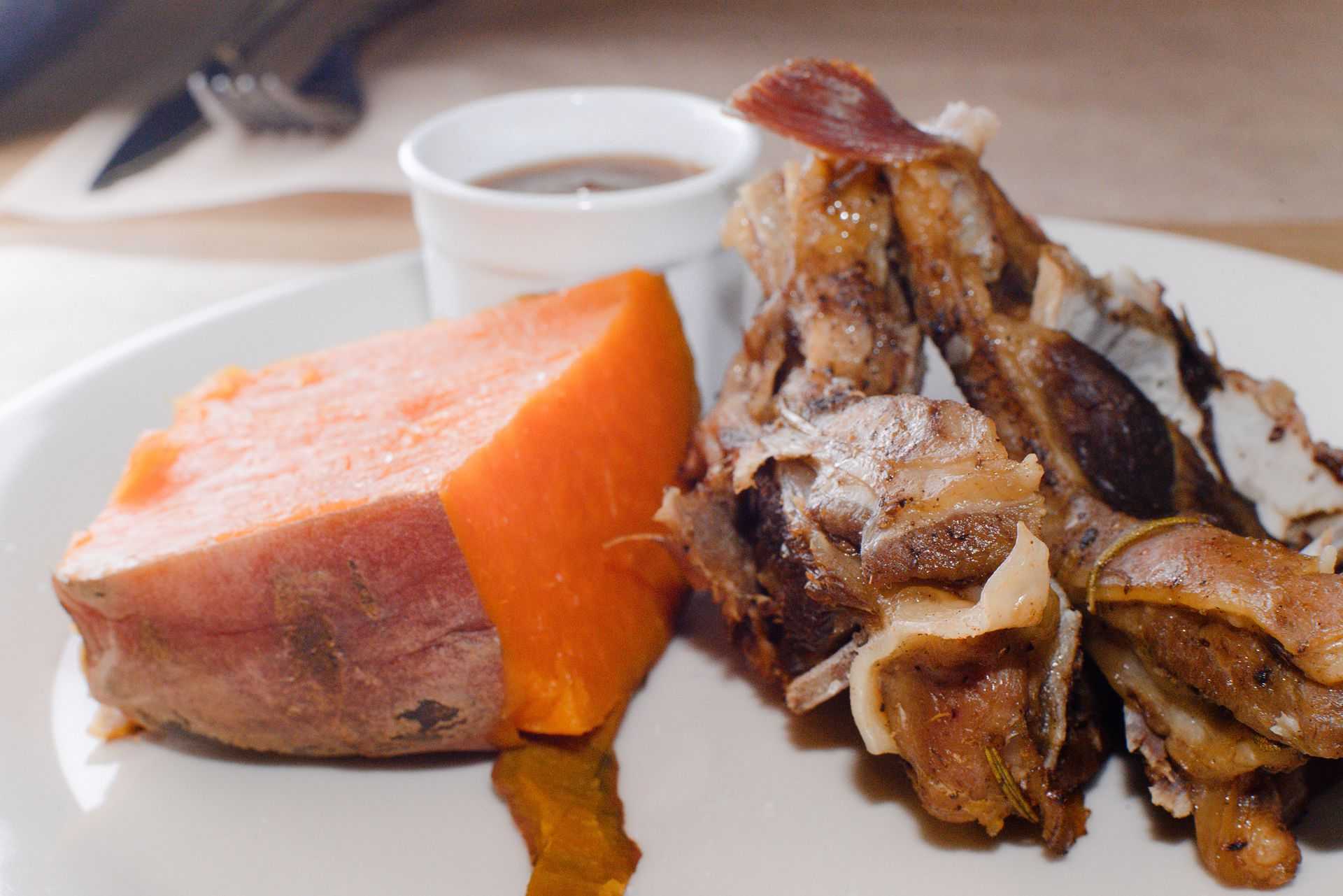
Sweet potato is a starchy vegetable and is not considered keto friendly. They should be eaten at limited quantities on a ketogenic diet for weight loss. However, if you are not looking to lose weight,
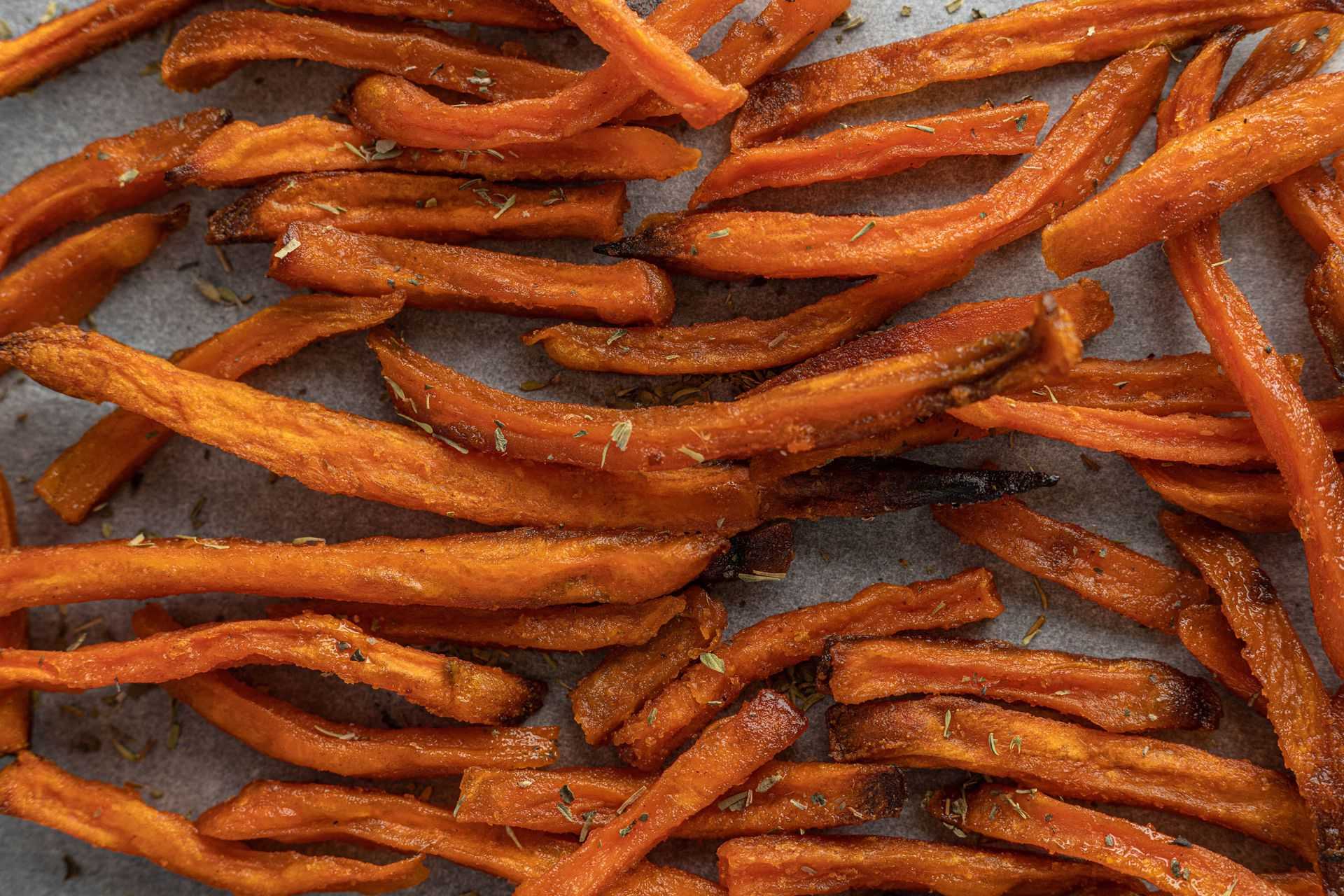
Sweet potato fries are quite high in carbs and fats. Learn how to make them healthy and include them on low carb and ketogenic diets.
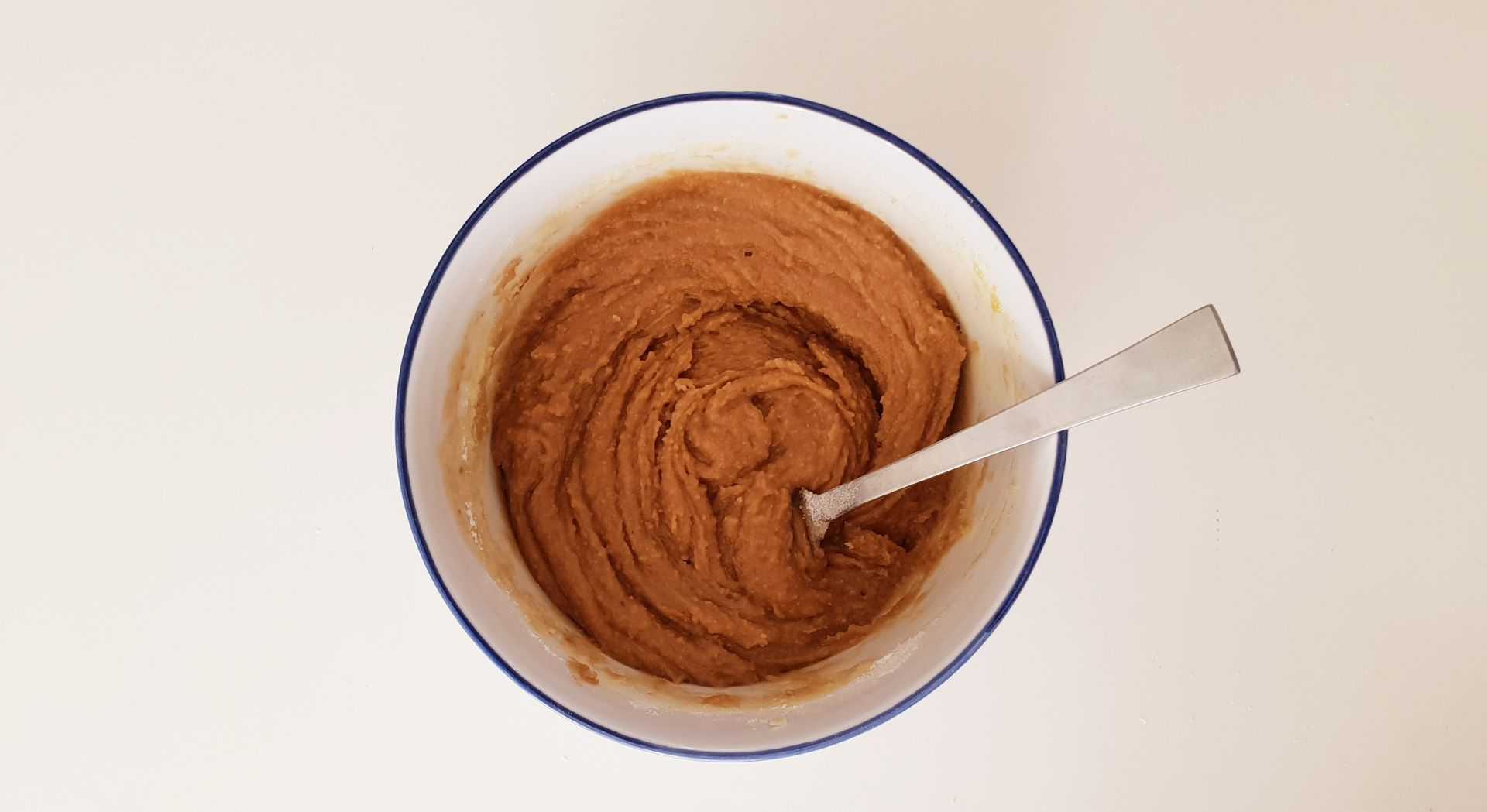
Peanut butter is relatively low in carbs and is keto friendly. In this article, will explore the criteria to choose the best peanut butter for your ketogenic diet that match your goals.

In this article we explore the history, the french paradox, some latest research on the scientific properties of butter and its unique fatty acid composition that exposes its unique hidden properties.
Pick a category that interests you most and dive in. The keto diet doesn't have to be all-or-nothing.